








How to Source High-Quality Precast Concrete Piles from Manufacturers?
 Release time:2026.06.17
 Page View:436
This guide is designed for project owners, civil engineers, procurement managers, and construction contractors who need to source reliable precast concrete piles for infrastructure, industrial, marine, or building foundation projects.
Choosing the wrong supplier can lead to structural failure, cost overruns, or installation delays. This article explains how to evaluate manufacturers, avoid common risks, and ensure you receive high-quality precast concrete piles that meet engineering requirements.
Why Do Sourcing Problems Happen?
Sourcing issues in precast concrete piles usually come from mismatched expectations between buyers and manufacturers.
Common reasons include:
- Lack of standardized specifications across suppliers
- Differences in concrete grade and curing methods
- Inconsistent reinforcement design
- Poor quality control in mass production
- Incomplete engineering drawings from buyers
Many procurement teams focus only on price, ignoring structural performance and long-term durability. This leads to hidden risks in foundation stability.
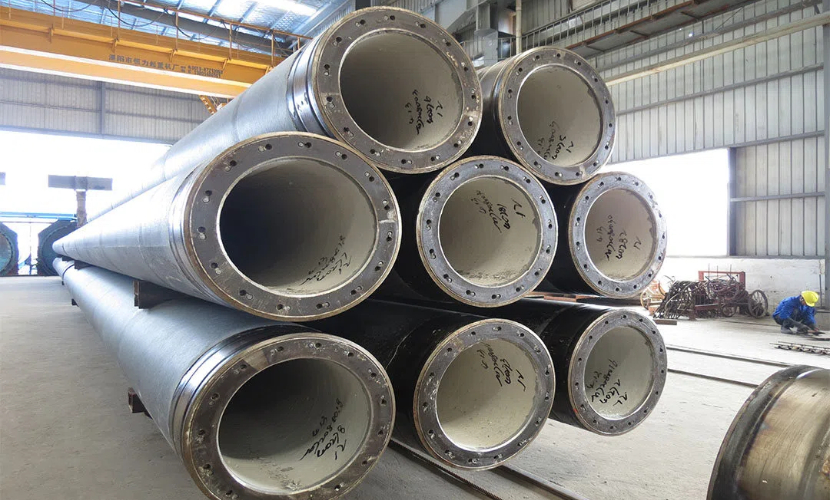
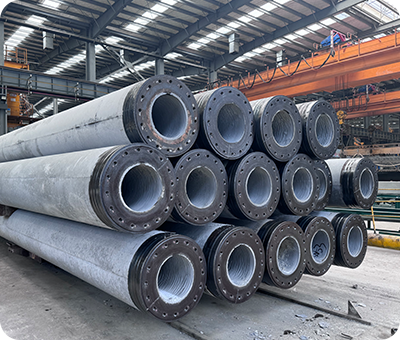
Pretensioned Prestressed High Strength Concrete Pipe Pile
Key Factors Affecting Procurement and Production
When sourcing precast concrete piles, several technical and commercial factors directly affect quality and performance:
- Concrete strength grade (e.g., C40, C60 or higher)
- Reinforcement configuration (steel cage design and spacing)
- Manufacturing process control (vibration, curing, steam curing)
- Dimensional tolerance accuracy
- Transportation and handling requirements
- Site soil and load conditions
For large infrastructure projects, even small deviations in pile uniformity can significantly affect load-bearing performance.
How to Choose Materials and Structure?
Selecting the right material and structural design is critical for long-term durability.
Concrete selection
High-strength concrete is required for heavy-load applications such as bridges, ports, and high-rise foundations.
Reinforcement design
Steel reinforcement must be optimized for:
- Axial load resistance
- Bending stress
- Impact during driving installation
Structural type options
- Square precast piles (common for buildings)
- Round piles (better for marine and offshore projects)
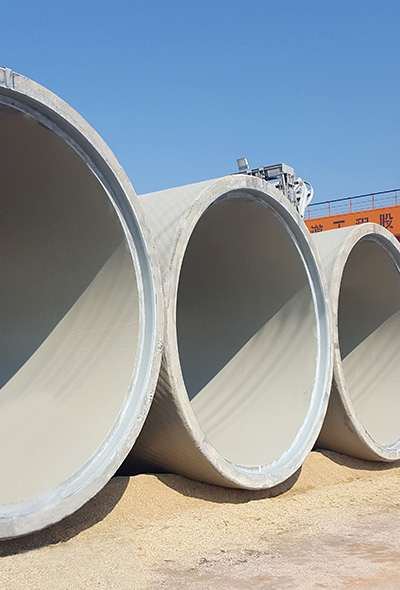
- Hollow piles (lightweight and cost-efficient)
Each structure should be selected based on soil condition and load requirement.
Common Mistakes in Procurement
Many procurement failures occur due to avoidable mistakes:
- Choosing suppliers only based on lowest price
- Ignoring pile testing reports and certifications
- Not reviewing engineering drawings in detail
- Overlooking transportation damage risk
- Failing to confirm installation compatibility
These mistakes often lead to cracking, misalignment, or reduced load capacity after installation.
What Parameters Should Be Confirmed Before Purchasing?
Before placing an order for precast concrete piles, confirm the following technical specifications:
- Pile length and diameter or cross-section
- Concrete grade and compressive strength
- Reinforcement steel grade and layout
- Allowable load capacity (axial and lateral)
- Joint design (welding, socket, or mechanical coupling)
- Tolerance standards
- Surface finishing and durability requirements
Clear specifications reduce production errors and ensure engineering compliance.
Recommended Products and Solutions
For large-scale infrastructure projects, working with an experienced manufacturer is essential.
Jianhua provides integrated precast foundation solutions, including:
- High-strength precast concrete piles
- Customized pile designs for engineering projects
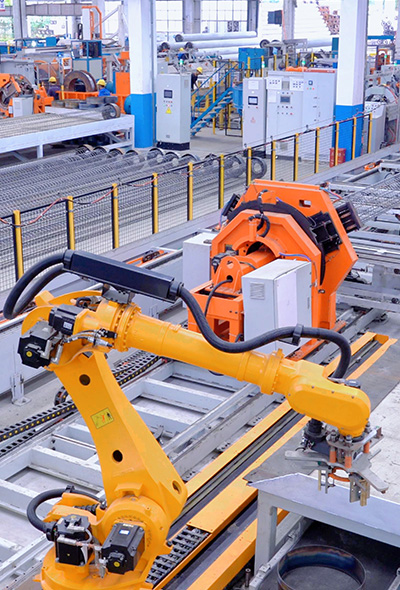
- Quality-controlled factory production systems
- Engineering support for soil and load adaptation
- Large-scale supply capability for infrastructure projects
Their production system ensures consistent quality, structural reliability, and compliance with international construction standards.
FAQ
What is the lifespan of precast concrete piles?
Precast concrete piles can last 50–100 years depending on soil conditions, concrete quality, and installation method.
Are precast piles better than cast-in-place piles?
Precast piles offer better quality control and faster installation, while cast-in-place piles are more flexible for complex soil conditions.
Can precast concrete piles be customized?
Yes, manufacturers can customize length, reinforcement, load capacity, and joint design based on project requirements.
What industries use precast piles most?
They are widely used in bridges, ports, high-rise buildings, industrial plants, and marine structures.
Request a Custom Quote
Looking for reliable precast concrete piles for your project?
Contact Jianhua today to get:
- Technical consultation
- Customized pile design
- Fast quotation based on drawings
- Engineering support for your project
Start your procurement with confidence and ensure your foundation meets the highest engineering standards.
 Return