








Prestressed Concrete Poles: Types, Manufacturing and Applications Guide
 Release time:2026.06.23
 Page View:643
In modern power transmission and infrastructure construction, prestressed concrete poles are widely used as a reliable alternative to traditional wooden and steel poles. Known for their strength, durability, and low maintenance cost, these structures are essential in electricity distribution and telecommunication networks worldwide.
For utility companies, EPC contractors, and infrastructure planners, understanding prestressed concrete poles is important when selecting long-term support systems for overhead lines.
What Are Prestressed Concrete Poles?
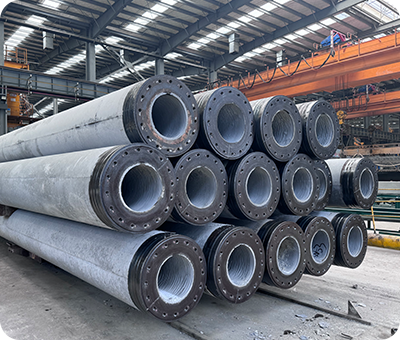
Prestressed concrete poles (also known as PCC poles or concrete power poles) are reinforced structural poles manufactured using high-strength concrete combined with steel tendons that are tensioned before or after casting.
They are commonly used as:
Utility poles
Power distribution poles
Telecommunication poles
Lighting poles
Compared with conventional materials, prestressed concrete poles offer superior structural stability and longer service life.
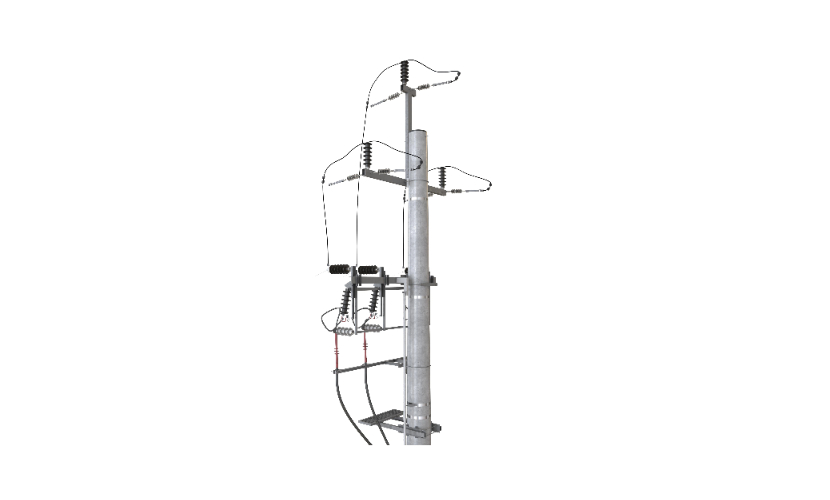
How Prestressed Concrete Technology Works
The key feature of prestressed concrete poles is the use of prestressing technology.
Working Principle
High-strength steel wires are tensioned
Concrete is poured around the tensioned steel
After curing, tension is released
Compressive force is introduced into the concrete structure
This process significantly increases the flexural strength and crack resistance of the pole.
Why It Matters
Because concrete is strong in compression but weak in tension, prestressing ensures:
Improved resistance to bending loads
Reduced cracking under wind and cable tension
Higher load-bearing capacity
Longer operational life
This makes prestressed concrete poles ideal for heavy-duty outdoor applications.
Prestressed Concrete Poles vs Wood Poles vs Steel Poles
Wood Poles
Low initial cost
Prone to rot, termites, and weather damage
Shorter lifespan
High maintenance requirements
Steel Poles
High strength and flexibility
Susceptible to corrosion without coating
Higher long-term maintenance cost
Prestressed Concrete Poles
Excellent durability and weather resistance
No corrosion or insect damage
Low maintenance requirements
Long service life
Overall, prestressed concrete poles provide the best balance between cost, durability, and long-term performance.
Main Applications of Prestressed Concrete Poles
prestressed concrete poles are widely used in multiple infrastructure sectors:
Power Transmission Lines
Used in medium and low-voltage electricity distribution networks.
Utility Infrastructure
Support overhead cables in urban and rural grid systems.
Telecommunications
Used for supporting fiber optic and communication lines.
Street Lighting Systems
Common in highways, roads, and public lighting networks.
These applications rely on the high strength and stability of prestressed concrete poles.
Load Capacity and Structural Performance
One of the most important advantages of prestressed concrete poles is their high load-bearing capacity.
They are designed to withstand:
Strong wind loads
Cable tension forces
Environmental stress such as rain, heat, and frost
Long-term static loads
Depending on design, these poles can support different height and load classes, making them suitable for both rural and urban infrastructure projects.
Service Life and Durability
A major advantage of prestressed concrete poles is their long operational lifespan.
Typical service life:
30 to 50 years under normal conditions
Key durability benefits:
Resistant to corrosion
No termite or biological damage
Stable performance in harsh climates
Minimal maintenance requirements
This makes them highly cost-effective for long-term infrastructure investment.
Why Prestressed Concrete Poles Are Widely Used Today?
The increasing global demand for reliable power distribution systems has made prestressed concrete poles a preferred choice due to:
Infrastructure expansion in developing regions
Grid modernization projects
Demand for low-maintenance systems
Long-term cost efficiency requirements
They continue to replace wood and steel poles in many modern utility networks.
Conclusion
prestressed concrete poles play a vital role in modern electrical and communication infrastructure. With superior strength, long service life, and excellent environmental resistance, they provide a dependable solution for power transmission, telecom networks, and utility applications.
Compared to wood and steel alternatives, prestressed concrete poles offer a more balanced combination of durability, safety, and lifecycle cost efficiency, making them a standard choice in global infrastructure development.
 Return