Choosing the right drainage pipe is a critical decision for infrastructure projects, construction companies, and municipal engineering applications. The pipe material directly affects project durability, installation efficiency, maintenance requirements, and long-term costs.
Among the most commonly compared solutions are reinforced concrete pipe(RCP) and HDPE pipe (High-Density Polyethylene Pipe).
Both materials have been widely used in drainage systems, stormwater management, culverts, and underground infrastructure. However, their performance differs significantly depending on project requirements, soil conditions, loading environment, and installation methods.
Jianhua specializes in high-quality reinforced concrete pipe solutions, providing durable drainage products for infrastructure, municipal construction, and large-scale engineering projects worldwide.
What Is Reinforced Concrete Pipe?
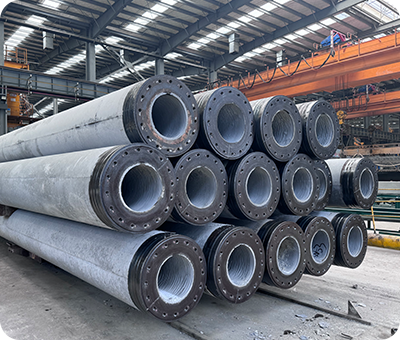
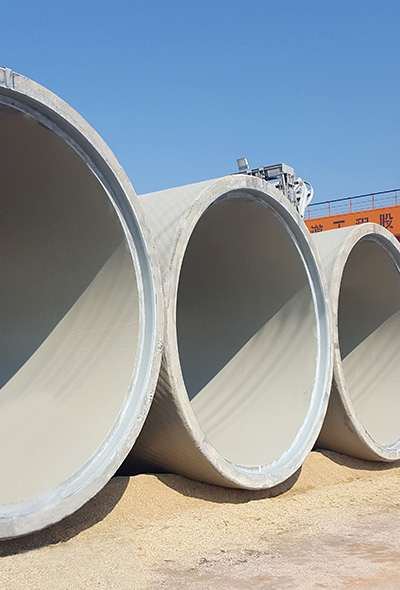
Reinforced concrete pipe (RCP) is a drainage pipe manufactured using concrete combined with steel reinforcement to improve structural strength.
The steel reinforcement helps the pipe withstand external loads, making RCP suitable for heavy-duty underground applications.
Reinforced concrete pipes are commonly used in:
- Stormwater drainage systems
- Highway drainage projects
- Municipal sewer systems
- Culverts
- Large infrastructure projects
Key features include:
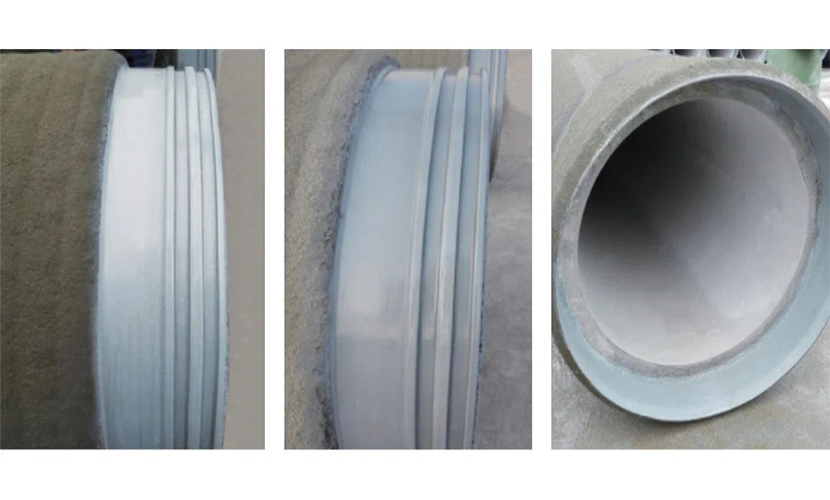
Prestressed Concrete Cylinder Pipe
What Is HDPE Pipe?
HDPE pipe (High-Density Polyethylene Pipe) is a flexible plastic pipe manufactured from high-density polyethylene resin.
Unlike rigid concrete pipes, HDPE pipes can deform slightly under pressure while maintaining structural performance.
HDPE pipes are commonly used for:
- Stormwater drainage
- Underground water systems
- Agricultural drainage
- Industrial applications
Key advantages include:
- Lightweight design
- Corrosion resistance
- Easy transportation
Flexible installation
Reinforced Concrete Pipe vs HDPE Pipe: Key Differences
Understanding the differences between these two drainage pipe solutions helps engineers and contractors select the best option.
1. Structural Strength and Load Capacity
Reinforced Concrete Pipe
RCP provides excellent structural strength because of its reinforced concrete construction.
Advantages:
- Handles heavy external loads
- Suitable for deep burial applications
- Performs well under traffic loading
- Provides strong resistance against soil pressure
This makes reinforced concrete pipe a preferred choice for highways, bridges, and major infrastructure projects.
HDPE Pipe
HDPE relies on flexibility and soil support to maintain structural performance.
Advantages:
- Can absorb ground movement
- Resistant to cracking caused by settlement
- Suitable for many underground drainage applications
However, installation quality is especially important to ensure proper performance.
2. Durability and Service Life
Reinforced Concrete Pipe
Concrete pipes have been used in infrastructure projects for decades due to their durability.
Benefits include:
- Long operational lifespan
- Strong resistance to physical damage
- Stable performance under heavy loads
Properly manufactured and installed reinforced concrete pipes can provide reliable long-term drainage performance.
HDPE Pipe
HDPE pipes offer excellent resistance against:
- Chemical corrosion
- Rust
- Moisture damage
They are particularly suitable for environments where corrosion resistance is important.
However, exposure conditions, installation quality, and UV protection should be considered.
3. Installation Requirements
Reinforced Concrete Pipe Installation
RCP is heavier than HDPE and typically requires:
- Lifting equipment
- Professional installation teams
- Proper foundation preparation
The heavier structure provides stability but may increase transportation and installation costs.
HDPE Pipe Installation
HDPE pipes are lightweight and easier to handle.
Advantages:
- Faster installation
- Lower transportation costs
- Easier movement on construction sites
This can reduce labor requirements for certain projects.
4. Cost Considerations
The total project cost should include:
- Material cost
- Transportation
- Installation
- Maintenance
- Service life
Reinforced Concrete Pipe Cost
Although initial costs may vary, RCP can provide excellent long-term value due to:
- High durability
- Low maintenance requirements
- Strong structural performance
HDPE Pipe Cost
HDPE may offer lower installation costs because of:
- Lightweight construction
- Easier handling
- Faster installation speed
However, project conditions determine the overall economic advantage.
5. Environmental Performance
Both pipe materials have environmental advantages depending on application.
Reinforced Concrete Pipe
Advantages:
- Uses abundant natural materials
- Long service life reduces replacement needs
- Strong recyclability potential
HDPE Pipe
Advantages:
- Lightweight transportation
- Reduced installation energy requirements
- High chemical resistance
The best choice depends on project sustainability goals and lifecycle analysis.
Which Pipe Is Better for Different Applications?
Highway and Heavy Infrastructure Projects
For projects involving:
- Heavy traffic loads
- Deep underground installation
- Large drainage systems
Reinforced concrete pipe is often preferred due to its superior load-bearing capability.
Stormwater Drainage Systems
Both RCP and HDPE can be used.
Selection depends on:
- Flow requirements
- Soil conditions
- Installation environment
- Project budget
Municipal Sewer Projects
Reinforced concrete pipe is commonly selected for large-scale municipal infrastructure because of its strength and durability.
Agricultural and Flexible Drainage Applications
HDPE pipe is often suitable because of:
- Lightweight structure
- Easy installation
Corrosion resistance
How to Choose Between Reinforced Concrete Pipe and HDPE Pipe?
Before selecting a drainage pipe, engineers should evaluate:
1. Project Load Requirements
Consider:
- Traffic conditions
- Burial depth
- Soil pressure
- External loads
Heavy-load projects may require reinforced concrete pipe.
2. Installation Conditions
Evaluate:
- Site accessibility
- Equipment availability
- Construction schedule
HDPE may provide advantages where fast installation is required.
3. Environmental Conditions
Consider:
- Chemical exposure
- Groundwater conditions
- Soil characteristics
Different environments require different pipe materials.
4. Long-Term Maintenance Goals
Analyze:
- Expected service life
- Repair requirements
- Replacement costs
A higher initial investment may provide better lifecycle value.
Why Choose Jianhua Reinforced Concrete Pipes?
Jianhua specializes in manufacturing high-quality reinforced concrete pipes for infrastructure and drainage applications.
With advanced production technology and strict quality control, Jianhua provides:
- Durable reinforced concrete drainage pipes
- Reliable structural performance
- Customized pipe solutions
- Stable manufacturing capacity
- Professional engineering support
Jianhua reinforced concrete pipes are designed for:
- Municipal drainage systems
- Highway construction
- Stormwater management
- Large infrastructure projects
By combining quality materials with advanced manufacturing processes, Jianhua helps customers build stronger and more reliable underground drainage systems.
FAQ About Reinforced Concrete Pipe and HDPE Pipe
Is reinforced concrete pipe stronger than HDPE pipe?
Reinforced concrete pipe generally provides higher rigid structural strength and is widely used for heavy-load infrastructure projects.
Which pipe lasts longer, RCP or HDPE?
Both can provide long service life when properly designed and installed. The better choice depends on project conditions and environmental factors.
Is HDPE pipe easier to install than concrete pipe?
Yes. HDPE is lighter and easier to transport and install, which can reduce labor requirements.
What is the best drainage pipe for highways?
For highways and heavy infrastructure projects, reinforced concrete pipe is often preferred because of its high load-bearing capacity and durability.
Conclusion
The choice between reinforced concrete pipe vs HDPE pipe depends on project requirements, including load capacity, installation conditions, environmental factors, and lifecycle costs.
HDPE pipe offers flexibility, lightweight handling, and corrosion resistance, while reinforced concrete pipe provides exceptional strength and durability for demanding infrastructure projects.
For highways, municipal drainage, and heavy-duty applications, selecting a reliable reinforced concrete pipe supplier is essential.
Jianhua provides professional reinforced concrete pipe solutions to support global infrastructure development with durable, high-performance drainage systems.
Contact Jianhua for reinforced concrete pipe solutions:
Email: jianhuaguoji@jianhuaintl.com









 Release time:2026.07.15
 Page View:480
 Return